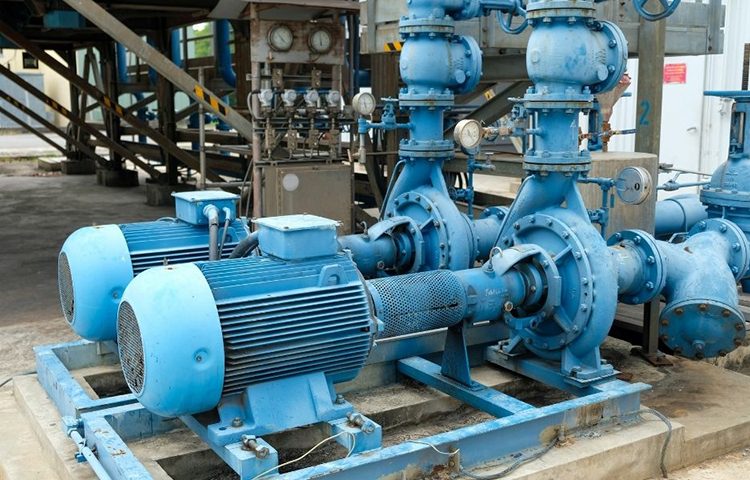
Modern industry depends on machines that run smoothly, safely, and efficiently. From manufacturing plants and power generation facilities to food processing lines and transportation systems, machinery is at the heart of daily operations. One often overlooked but absolutely essential factor behind reliable equipment performance is lubrication. Understanding what an industrial lubricant is and why it matters can help organizations extend equipment life, reduce downtime, and operate more responsibly.
This article explores the role of industrial lubricants, how they work, and why choosing the right solution is critical for machinery performance and long term operational success.
What Is an Industrial Lubricant
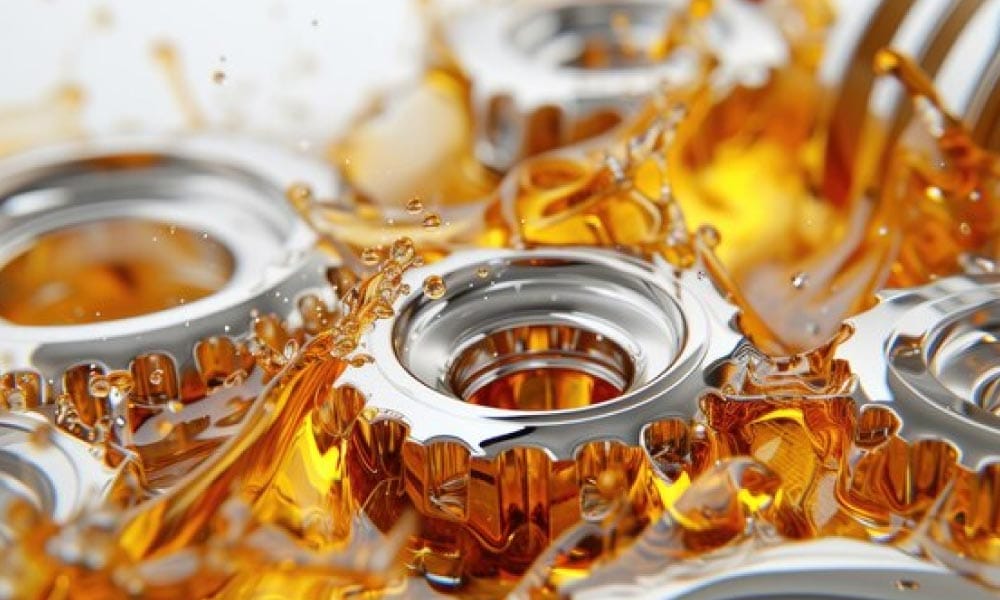
An industrial lubricant is a substance applied between moving surfaces in machinery to reduce friction, control wear, and manage heat. It forms a protective layer that prevents direct metal-to-metal contact, allowing components to move efficiently under load and at speed.
Industrial lubricants are used across countless applications, including bearings, gears, chains, compressors, hydraulic systems, and cutting tools. They can be formulated as oils, greases, pastes, or dry films depending on operating conditions and equipment needs.
Unlike general purpose consumer lubricants, industrial lubricants are engineered to withstand demanding environments such as high temperatures, heavy loads, moisture exposure, and continuous operation. Their performance directly influences how reliably machinery functions day after day.
Why Friction Is a Serious Challenge for Machinery
Friction is a natural force that occurs whenever two surfaces move against each other. While it cannot be eliminated entirely, unmanaged friction can cause serious problems in industrial equipment.
Excessive friction leads to accelerated wear of components, increased heat generation, higher energy consumption, and a greater risk of unexpected breakdowns. According to data from industrial maintenance studies, friction related losses can account for up to 10 percent of total energy consumption in manufacturing environments. Over time, this inefficiency translates into higher operating costs and shorter equipment lifespan.
An industrial lubricant reduces friction by separating surfaces with a stable film, allowing parts to move with less resistance and stress.
How Industrial Lubricants Protect Machinery
Industrial lubricants serve several essential functions beyond simple friction reduction. Each function contributes directly to machinery reliability and performance.
One key role is wear protection. By preventing metal to metal contact, lubricants reduce surface damage and slow the rate of component degradation. This protection is especially important in high load or high speed applications.
Another critical function is heat management. Friction generates heat, and excessive heat can weaken materials, degrade seals, and alter tolerances. Many industrial lubricants help dissipate heat away from contact zones, maintaining stable operating temperatures.
Industrial lubricants also provide corrosion protection. Moisture, chemicals, and environmental contaminants can cause rust and oxidation. Lubricant films act as barriers that shield metal surfaces from these damaging elements.
In some systems, lubricants also help seal gaps, reduce vibration, and carry away contaminants such as dust or metal particles. Together, these benefits support smoother operation and reduced maintenance needs.
Types of Industrial Lubricants and Their Applications
Industrial lubricants come in a wide range of formulations, each designed for specific operating conditions.
Industrial oils are commonly used in engines, hydraulic systems, turbines, and compressors. They flow easily, making them ideal for systems that require continuous circulation and heat transfer.
Greases are thicker lubricants that stay in place and provide long lasting protection. They are often used in bearings, gears, and joints where frequent reapplication of oil is impractical.
Dry lubricants, such as graphite or molybdenum based coatings, are used in environments where liquid lubricants may attract dust or fail under extreme temperatures.
Specialty lubricants are formulated for unique challenges such as food grade applications, extreme pressure environments, or exposure to chemicals and water.
Selecting the correct type ensures that the lubricant performs effectively without compromising equipment safety or compliance requirements.
The Role of Additives in Lubricant Performance
Base oils alone cannot meet the complex demands of industrial machinery. Additives are blended into industrial lubricants to enhance performance and protect equipment.
Common additives include anti wear agents, corrosion inhibitors, antioxidants, and viscosity modifiers. These components help lubricants maintain stability under stress, resist breakdown over time, and adapt to temperature changes.
For example, extreme pressure additives are essential in gear systems where loads are high and contact pressures are intense. Without these additives, surfaces may weld together or fail prematurely.
The quality and balance of additives significantly influence how well an industrial lubricant performs in real world conditions.
Why Choosing the Right Industrial Lubricant Matters
Using the wrong lubricant can be just as harmful as using no lubricant at all. Incorrect viscosity, poor thermal stability, or incompatible additives can lead to increased wear, overheating, seal damage, or contamination.
Studies in industrial maintenance show that improper lubrication practices contribute to nearly 40 percent of premature bearing failures. These failures often result in unplanned downtime, costly repairs, and safety risks for workers.
Choosing the right industrial lubricant requires understanding equipment specifications, operating conditions, and environmental factors. This includes load levels, temperature ranges, speed, exposure to contaminants, and maintenance intervals.
When the correct lubricant is used consistently, organizations often see measurable improvements in efficiency, reliability, and total cost of ownership.
Industrial Lubricants and Energy Efficiency
Energy efficiency is an increasingly important goal across industries. Industrial lubricants play a direct role in reducing energy consumption by minimizing friction and mechanical losses.
High performance lubricants can lower operating temperatures and reduce the power required to run equipment. In large scale operations, even small efficiency gains can result in significant energy savings over time.
Research in industrial energy optimization suggests that optimized lubrication practices can reduce energy usage in rotating equipment by 3 to 5 percent. These savings not only reduce costs but also support sustainability and environmental responsibility goals.
Maintenance, Downtime, and the Human Impact
Beyond technical performance, lubrication affects people and processes. Unexpected machinery failure can disrupt production schedules, increase workload stress, and compromise workplace safety.
Reliable lubrication practices help maintenance teams plan interventions proactively rather than reacting to emergencies. This creates a safer, more predictable working environment and allows skilled technicians to focus on improvement rather than constant repair.
Proper use of an industrial lubricant supports smoother operations and contributes to organizational resilience.
Understanding Penetrating Lubricants in Industrial Settings
In addition to standard lubrication, many facilities rely on penetrating lubricants for maintenance and repair tasks. A penetrating lubricant is designed to seep into tight spaces, loosen corroded or seized parts, and displace moisture.
While not all penetrating products are intended for continuous lubrication, selecting the best penetrating lubricant for maintenance tasks can significantly reduce labor time and prevent component damage during disassembly.
These products are especially useful when restoring older equipment, addressing rusted fasteners, or performing precision maintenance where minimal force is required. Used correctly, they complement broader lubrication strategies and improve overall maintenance efficiency.
Long Term Benefits of a Thoughtful Lubrication Strategy
A well planned lubrication strategy goes beyond product selection. It includes regular monitoring, proper storage, contamination control, and staff training.
Organizations that invest in lubrication management programs often experience longer equipment life, fewer failures, and lower maintenance costs. Data from reliability centered maintenance studies indicates that effective lubrication practices can extend machinery lifespan by 20 to 50 percent, depending on application and operating conditions.
These benefits accumulate over time, supporting financial stability, operational continuity, and employee confidence.
An industrial lubricant is far more than a supporting material. It is a critical component of machinery performance, energy efficiency, and operational reliability. By reducing friction, managing heat, preventing corrosion, and protecting components, lubricants enable machines to perform their intended functions safely and effectively.
Understanding how lubricants work, why selection matters, and how maintenance practices influence outcomes empowers organizations to make informed decisions. Whether choosing a standard lubricant for continuous operation or identifying the best penetrating lubricant for maintenance tasks, thoughtful lubrication is an investment in performance, safety, and long term success.
By prioritizing proper lubrication, industries can keep machines moving, people safe, and operations running smoothly in an increasingly demanding world.